
Planning a wedding and wanting documentary style photography? Here are 8 key things to consider along with some helpful tips as you plan your wedding day.
How You Show Up Influences Documentary Style Wedding Photography
Documentary wedding photography isn’t solely about how your photos are taken—it’s also about how your wedding day is designed. The most honest, emotional images happen when couples give themselves time, space, and permission to be present.
If you’re drawn to wedding photos that feel natural, personal, and full of real moments, then these are things worth thinking through as you plan your wedding day.
01. Build a Support System So You Can Let Go
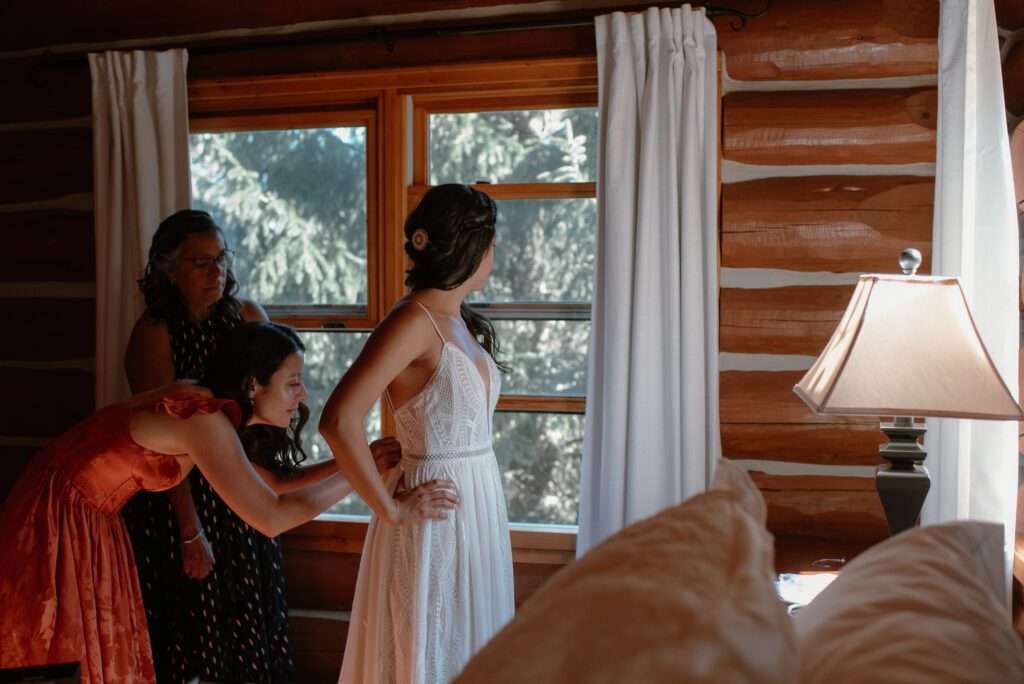
One of the biggest factors in relaxed, candid wedding photos is how present you’re able to be on your wedding day. Building a strong support system leading up to your wedding—and carrying it over into the day itself—is so important. From a documentary perspective, the calmest and most emotionally rich wedding days are the ones where couples aren’t being pulled in multiple directions.
To help support this, I recommend hiring a wedding planner and/or day of coordinator.
Hiring a wedding planner and having someone available at your wedding will help delegate logistics away from the couple and family members. This creates emotional bandwidth. When couples aren’t answering questions, tracking time or dealing with something unexpected, they’re interacting with people. When moms and dads aren’t fussing over last minute details, or tasked with cleaning up, they’re enjoying themselves and catching up with friends and family. This isn’t about luxury—it’s about creating an atmosphere where guests can be guests, and everyone can enjoy the day and be present.
Without a hired day of coordinator, certain wedding day responsibilities tend to fall on the photographer. Things like managing the timeline, or tracking people down during certain portions of the day. A well-experienced planner / day of coordinator also helps support the photography side. If there’s someone managing the logistics of the day, then the photographer can focus on observing, documenting real moments, and creating art.
Important note: a hired wedding day planner and day of coordinator are very different than a venue coordinator.
02. Create a Relaxed and Realistic Timeline That Provides Breathing Room
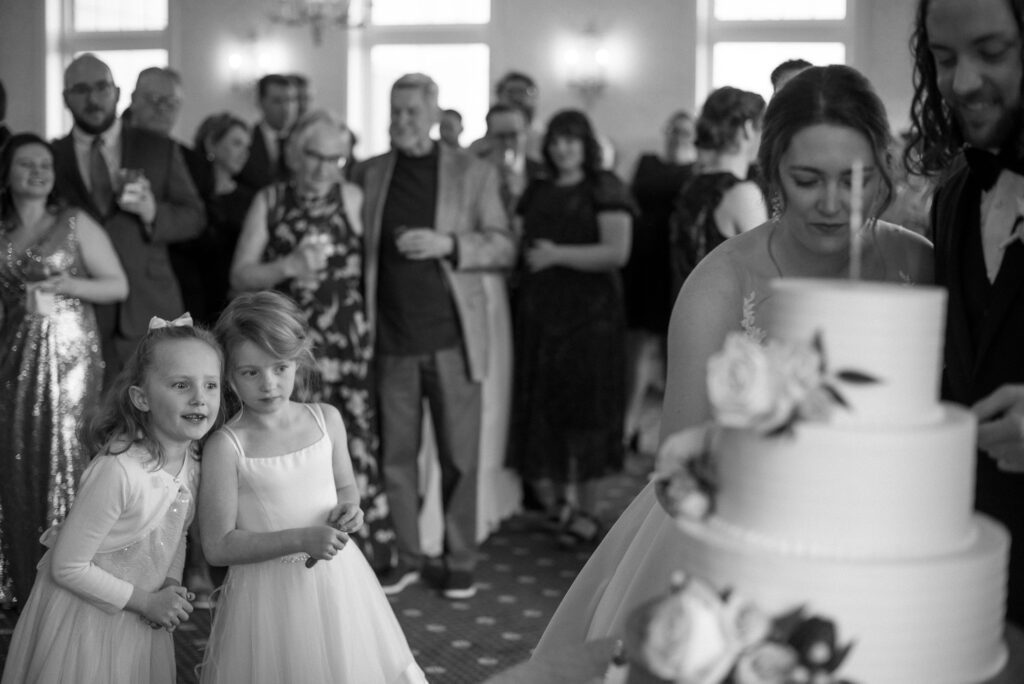
A thoughtful timeline is one of the most overlooked elements of documentary wedding photography.
Instead of packing the day with back-to-back events, build in breathing room.
- Try to limit the number of locations
- Allow extra time for transitions
- Avoid stacking emotional moments too close together
- Plan intentional “nothing” time where you’re just with your people
A relaxed timeline doesn’t mean less happens—it means there’s room for moments to unfold naturally, and true emotions don’t get rushed.
Documentary photography thrives when time isn’t tight.
03. Consider a First Look (for Connection, Not Just Photos)
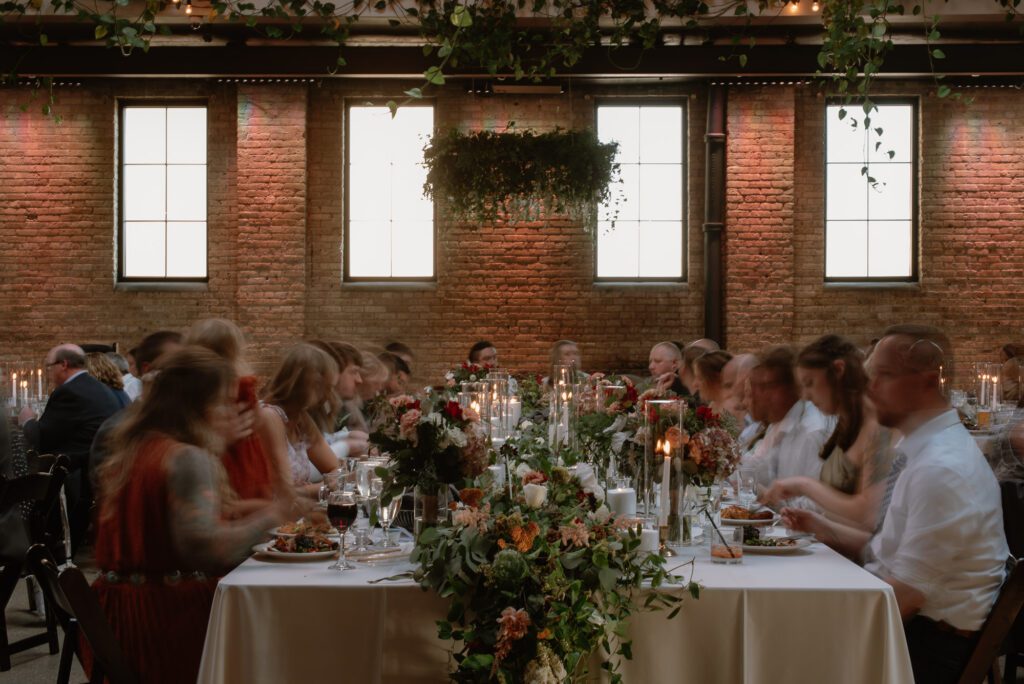
First looks are often framed as a photography decision, but they’re really about how you want to experience your wedding day. A first look isn’t about going against tradition—it’s about opening up the day for more real moments.
For documentary coverage, a first look means:
- More time actually being with your partner on your wedding day
- More time where the two of you can be with family and friends
- Space for emotions to unfold privately
- Less pressure during the designated portrait time
- A calmer ceremony experience
It’s important to think about your day and how it’s structured. If you’re not doing a first look, how much time will you and your partner realistically be spending together vs apart? Is spending some alone time together throughout the day important to you? How will you two spend the time after your ceremony?
The more time you spend together, the more layered your gallery becomes. From experience, first looks don’t make the day less emotional; instead, it’s more intimate.
Every couple is different, so it’s important to consider what feels right for both of you.
04. Decide How You Want to Show Up for Portraits
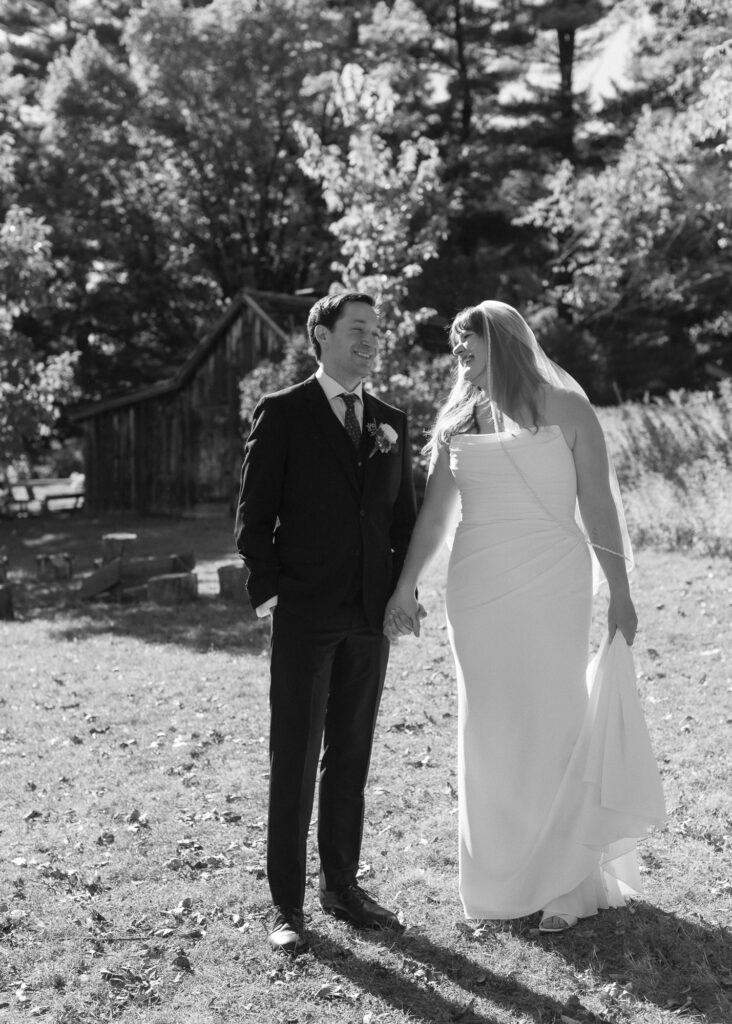
In documentary and candid wedding photography, portraits are less about being directed and more about how you naturally interact.
Your photographer may provide helpful guidance, but they can’t manufacture connection. Connection needs to come from you.
Share with your partner what helps you feel comfortable, and talk about the connection you’d like to see in your photos. Maybe you’re more comfortable with quieter moments. Think big hugs, cuddling, or walking together in silence and taking in your surroundings.
Or maybe you’re more comfortable with energetic moments. Think humor, playfulness, dancing.
And maybe you fall somewhere in the middle and you’re a combination of the two.
Talking through this with your partner helps get you both on the same page and feel more comfortable during portrait time.

05. Incorporate Movement & Interactions
This piece is about letting guests be participants and not just observers.
No need to go overboard with this, but incorporating one or two of these can help guests interact and be in the moment. This is gold for documentary photos, and I’ll give plenty of examples for each.
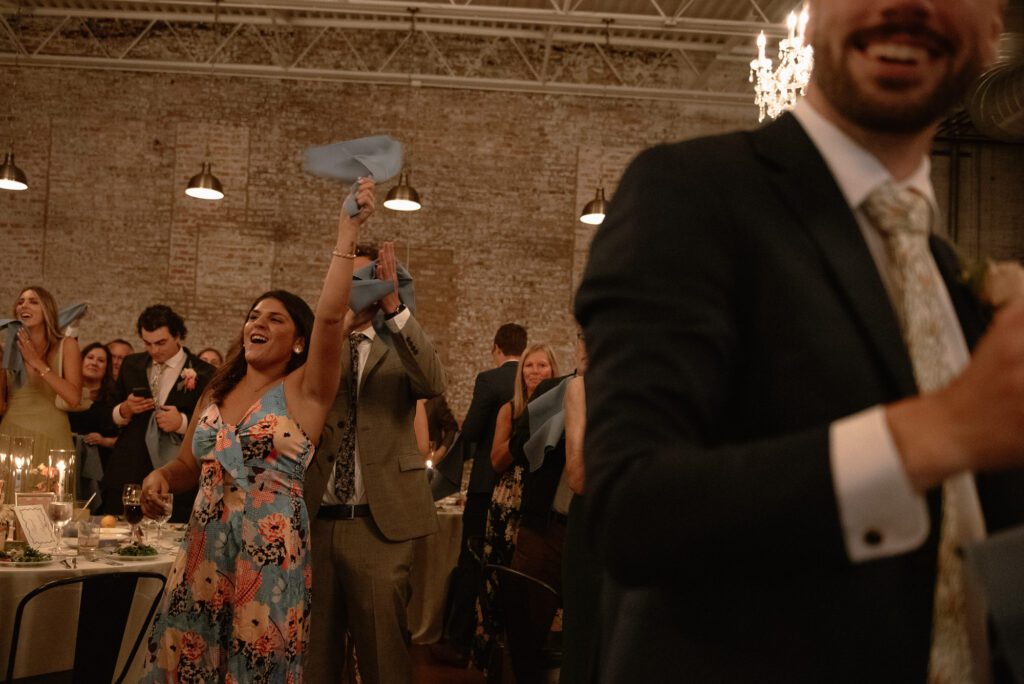
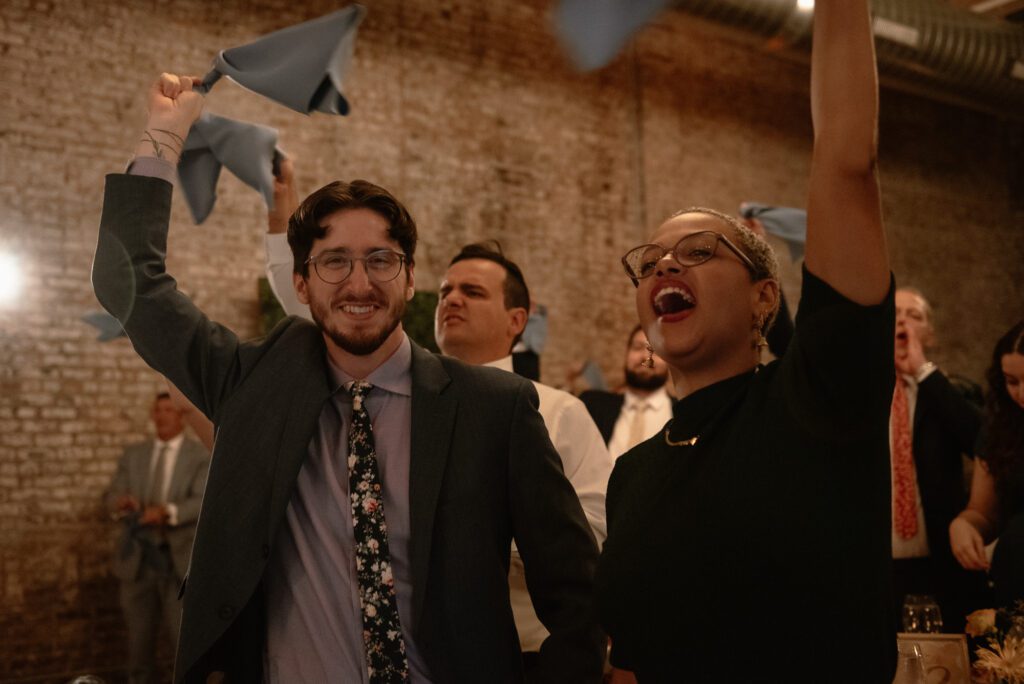
- Active Entrance/Exit: Incorporate flower petals, rice, confetti cannons, bubbles, musical instruments (bells, shakers) for guests to use while they celebrate. Let’s not forget about the napkin wave right before dinner!
- Interactive Dining: Family-style meals and grazing tables invite movement and conversation instead of keeping guests seated all evening.
- Creative Activities: A paint-by-number station created from a favorite photo allows guests to collaborate on something meaningful together.
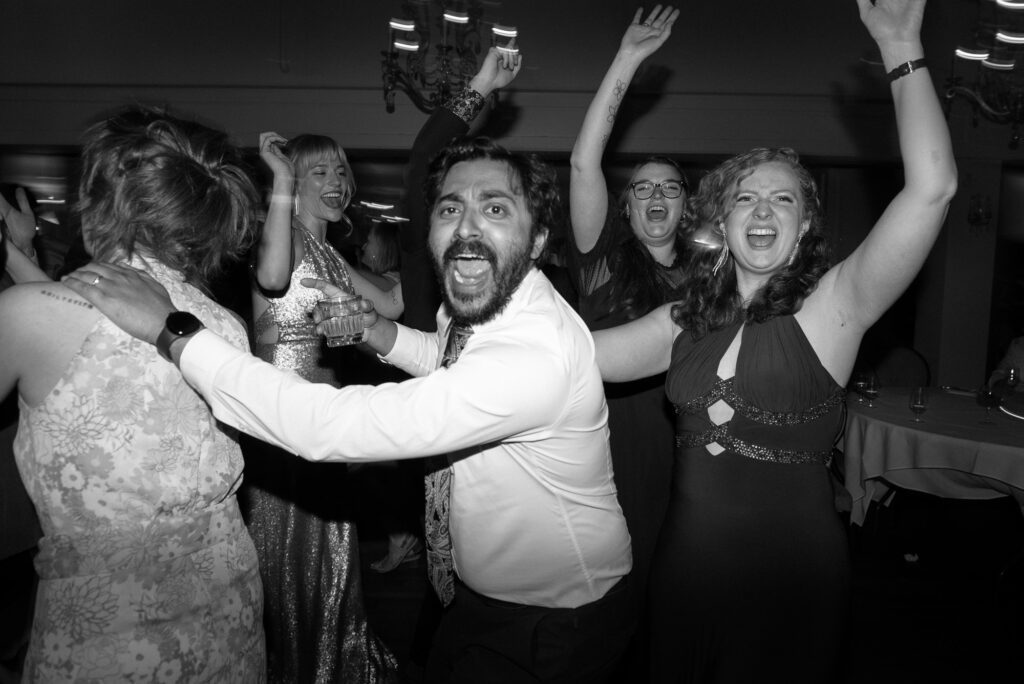
- Live Music & Performances: Dueling pianos, cultural dance performances, or a high-energy band helps create an unforgettable experience.
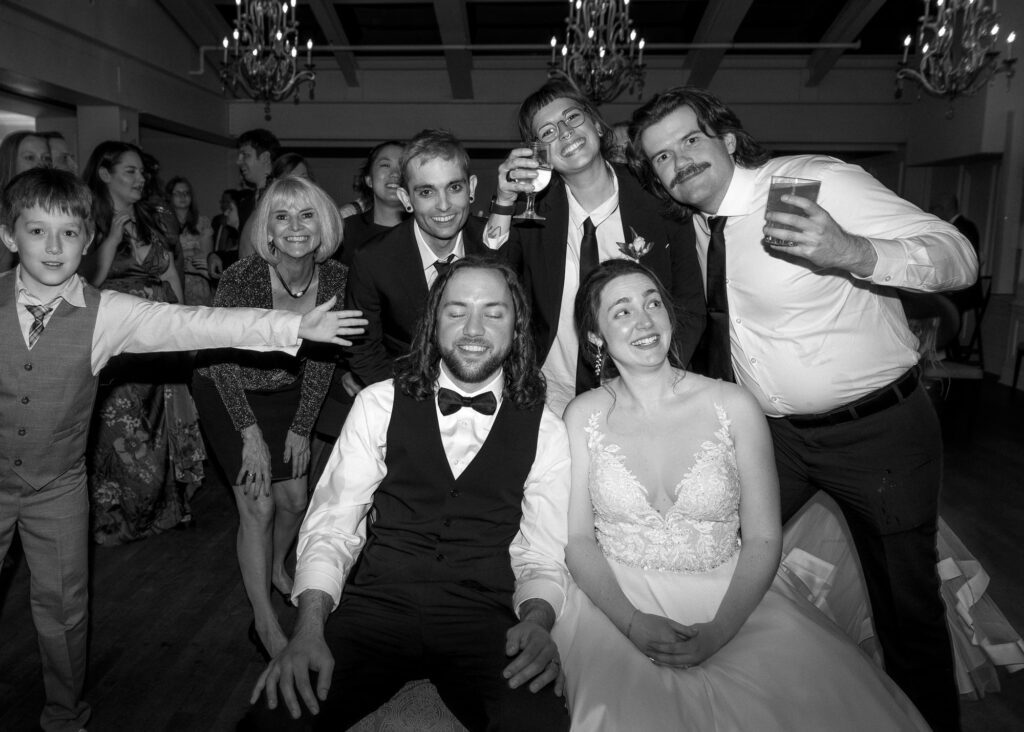
- Hands-On Experiences: I’ve seen couples serve champagne, scoop ice cream, play yard games, and even lead a limbo line on the dance floor.
These moments invite joy, and joy photographs beautifully.
06. Help Your Photographer Get to Know You
Documentary wedding photography is personal, which means your photographer needs to understand who you are beyond the timeline.
Sharing things like:
- How you naturally interact as a couple
- What makes you feel comfortable or awkward
- Who you’re most excited to see at your wedding
This level of collaboration allows your story to be documented in a way that feels honest and true.
07. Share Details About Your Wedding
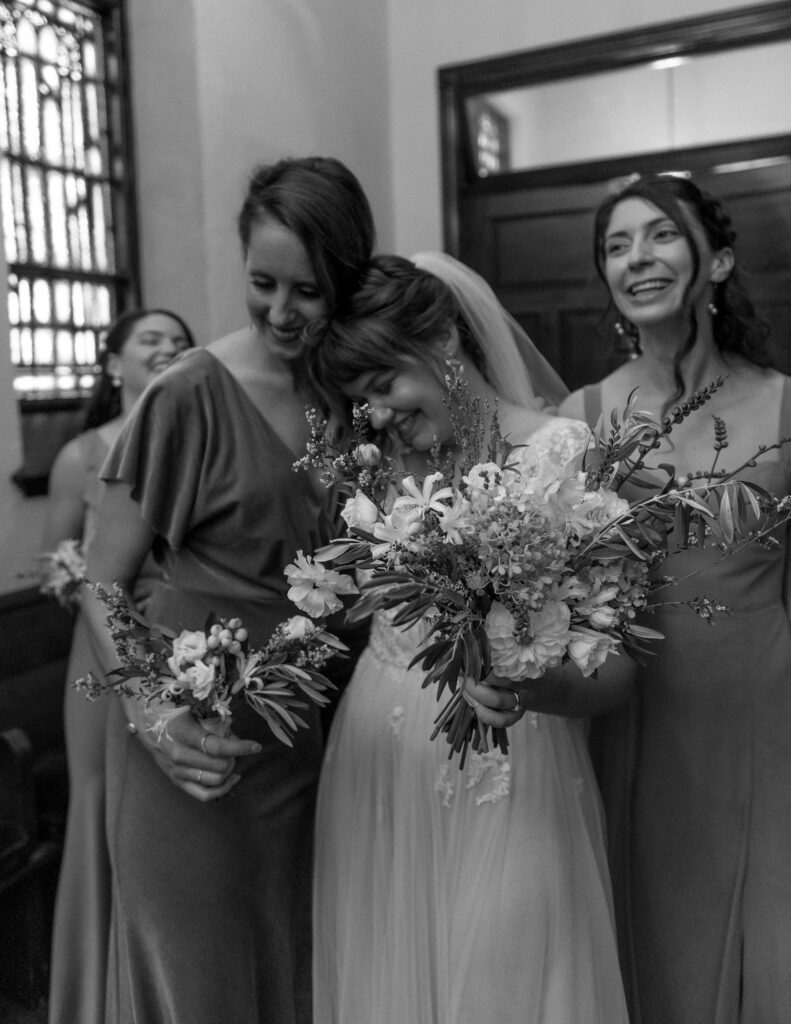
Personal details matter—not because they’re styled perfectly, but because they carry meaning.
This could include:
- Family heirlooms
- Handwritten notes
- Traditions or rituals
- Meaningful locations
These elements add depth and context to your story. Documentary photography isn’t about perfection—it’s about preservation.
08. Roll With The Imperfect
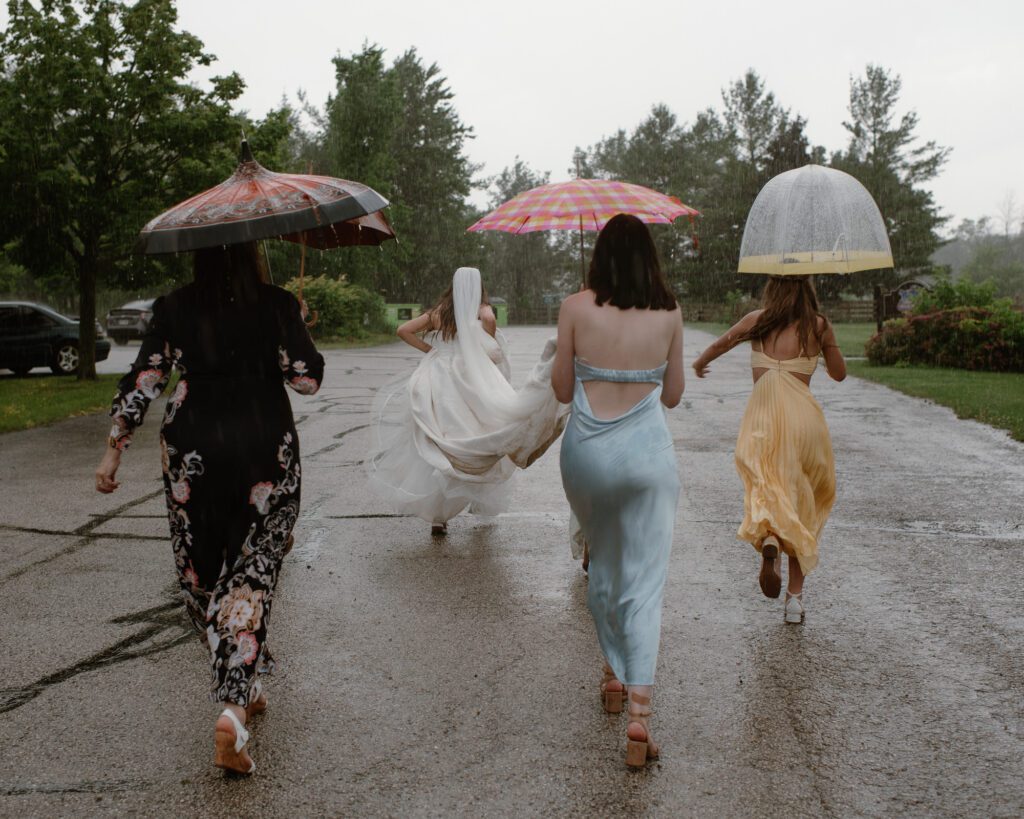
You’ve poured so much time and care into planning this day—and I know how much it means to you. One of the most meaningful things you can do for yourselves is to gently release the idea of “control.”
You’ve built your wedding-day support team. You’ve prepared as much as you can. Now, your only job is to be present—to experience the day alongside your partner and let it unfold as it will.
Some of the most beautiful moments happen in the in-between, when things don’t go exactly as planned.

Plan a Wedding That Feels as Good as It Looks
If you’re drawn to intimate, candid wedding photography, the most important thing you can do is plan a day that allows you to be fully present. When you create space for connection, movement, and meaning, the photographs follow naturally.
Documentary wedding photography doesn’t create moments—it honors the ones that already exist.
Thoughts and Considerations?
Any other helpful mentions that should’ve made the list? I’d love to hear your thoughts and ideas in the comment section below.

